Helod: A Decorative Font for Modern Web Design
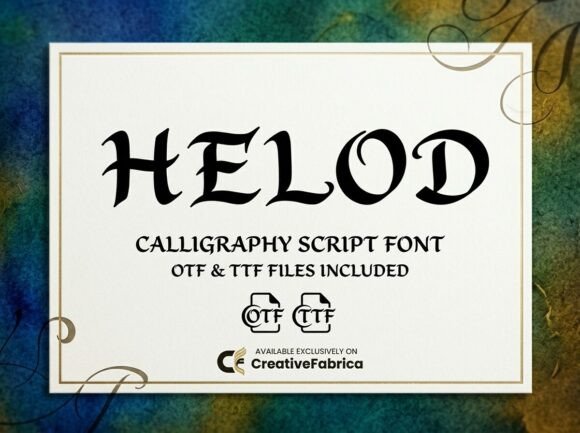
I was working on a new landing page for a boutique online store last week, and I needed a font that would stand out without overwhelming the design. After testing several options, Helod caught my eye. It’s a decorative display font with a strong character, and it felt like the perfect match for this creative project.
What Makes Helod Unique
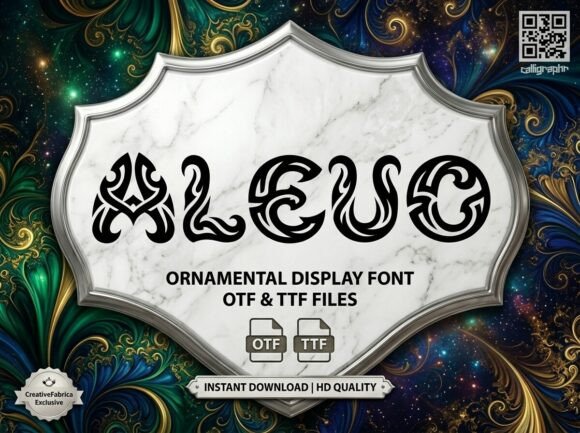
Helod has a distinct artistic flair that makes it ideal for digital projects where visual impact matters. The curves and flourishes in each letter add personality, while still maintaining enough clarity to be legible in larger sizes. It’s not just a pretty font—it's designed to be the centerpiece of any layout.
The mood of Helod is both elegant and modern. It works well for brands that want to convey creativity, sophistication, or a touch of whimsy. Whether you're designing a portfolio site or a product landing page, Helod can help set the tone for your brand identity.
Testing Helod in Real Projects
I started by using Helod in the hero section of the landing page. Placed over a full-width image banner, it added a sense of movement and energy to the headline. The contrast between the font and the background was clear, which helped draw attention to the main message.
Next, I tested it on mobile screens. Since Helod is a decorative display font, I made sure to use it only for larger headings and not for body text. This approach kept the layout clean and readable across different devices.
For buttons and call-to-action areas, I opted for a simpler sans serif font instead. Pairing Helod with a clean typeface allowed me to maintain visual hierarchy and ensure that the most important elements stood out.
Where Helod Works Best
Helod shines when used as a header or title. It's especially effective for website headers, hero sections, landing pages, blog headers, and promotional banners. Its unique style adds a touch of personality to these key areas without distracting from the content.
In a coaching website I recently redesigned, I used Helod for the main headline and then paired it with a minimalist sans serif font for the rest of the copy. This combination gave the site a balanced look that felt both professional and inviting.
For a creative portfolio site, Helod worked beautifully in section headings and as part of the navigation. It helped create a cohesive visual theme that reflected the designer’s aesthetic.
Readability and Usability Tips
When using a decorative font like Helod, readability is key. I always test it at different sizes and against various backgrounds to make sure it remains legible. On dark backgrounds, I found that adding a subtle white or light gray overlay helped improve visibility.
It's also important to consider how Helod performs in responsive layouts. Because it’s a display font, I recommend using it sparingly and ensuring that it doesn’t interfere with the overall usability of the site. Keeping the font size consistent across devices helps maintain a polished brand experience.
For small buttons or links, I avoid using Helod altogether. These elements need to be scannable and easy to tap, so a more straightforward font is usually better for those areas.
Font Pairing and Brand Consistency
One of the best parts about using Helod is how well it pairs with other fonts. For example, combining it with a simple sans serif font like Helvetica or Arial creates a clean, modern look that works well for most websites.
If you're aiming for a more editorial feel, pairing Helod with a serif font like Georgia or Times New Roman can give your site a more traditional and trustworthy appearance.
Consistency is crucial when building a brand identity. I always check that Helod aligns with the overall design system and doesn’t clash with other visual elements. Making sure the font supports multiple languages and has proper licensing is also an important step before implementing it on client projects.
Getting Started with Helod
Before using Helod on any website, I recommend checking if it includes the necessary styles, weights, and alternates for your project. Webfont availability is essential for ensuring that the font loads quickly and displays correctly across all platforms.
Also, make sure the font file formats are compatible with your design tools and that you have the appropriate commercial license if you're using it for client work or online stores. Understanding the font’s capabilities will help you use it effectively in your digital projects.
Whether you're redesigning a blog, launching a course sales page, or creating a new brand kit, Helod offers a versatile solution that can elevate your web design. It’s a great choice for anyone looking to add a creative touch to their online presence without sacrificing usability or professionalism.